Predictiva – Predictive Analytics
Predictiva was an early predictive-analytics tool built in 2016, long before “prediction dashboards” became common. While most analytics platforms focused on past or real-time data, Predictiva helped digital businesses forecast what would happen next — from conversion trends to user behavior patterns — by combining their own analytics with external data.
Context
This was a brand-new product, created for business owners, analysts, and marketing teams who needed deeper insights than standard analytics tools could offer. Users could explore correlations, build custom cohorts, segment audiences, and generate forecasts using configurable models and algorithms.
I was responsible for UX design, from early concept to wireframes and interactive prototypes. UI was implemented using an existing template/UI kit to keep the MVP fast and cost-efficient.
Key Challenges
The biggest challenge was turning complex, high-volume data into something approachable, allowing users to:
-
explore patterns across metrics and dimensions,
-
create custom segments and save them for later use,
-
run predictions using different algorithms,
-
and understand forecasts through charts, tables, or key numbers.
Everything needed to feel flexible but not overwhelming.
Approach
I designed flows, wireframes, and a detailed clickable prototype covering
-
Cohorts, funnels, segmentation,
-
a metrics & dimensions builder,
-
a query builder for predictive parameters,
-
and a dynamic pivot/canvas interface for arranging data by time (day/week) or structure.
Here are some screenshot from work in progress - from notes, to wireframes variant to getting closer to the finished product.
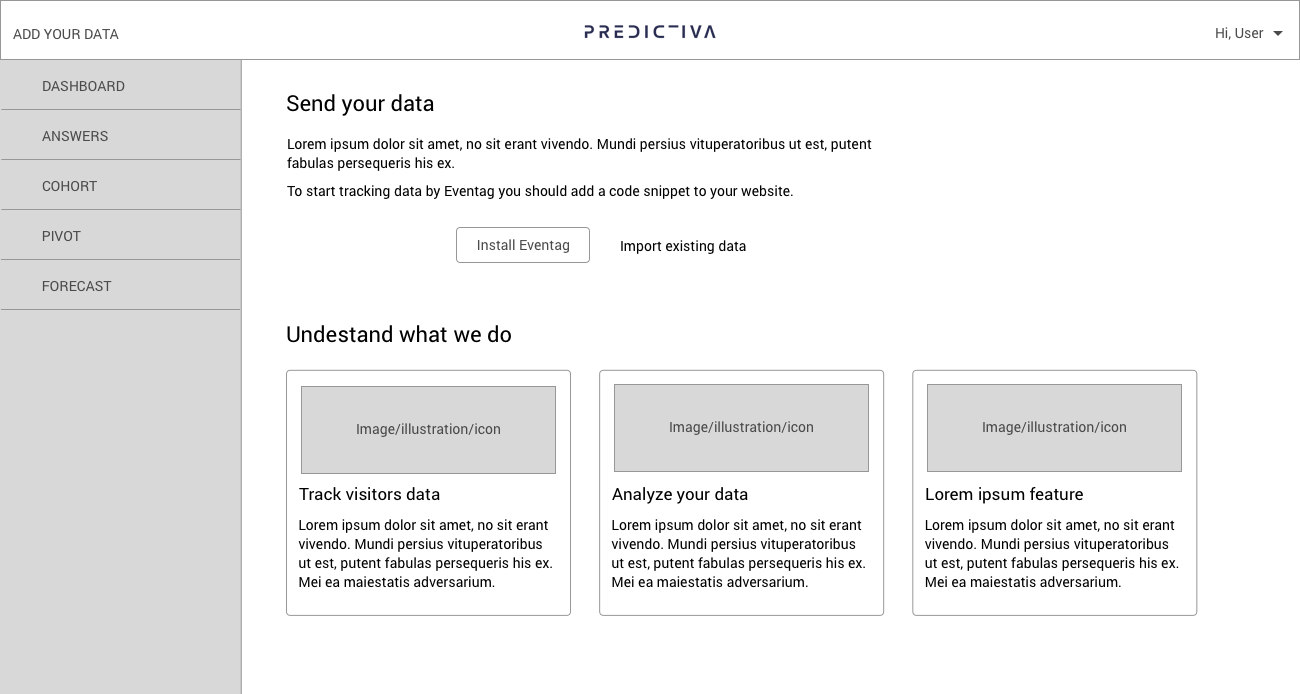
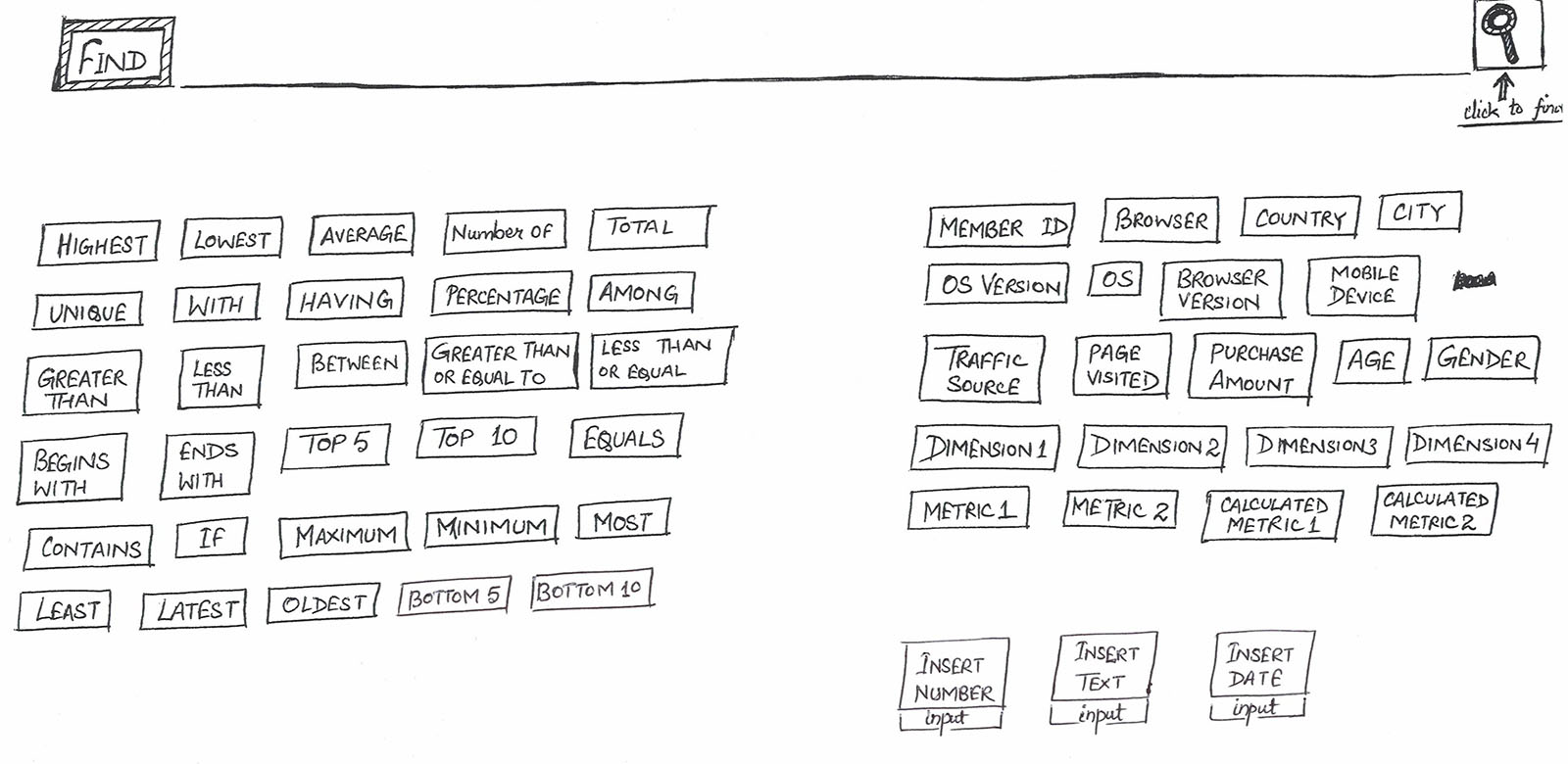
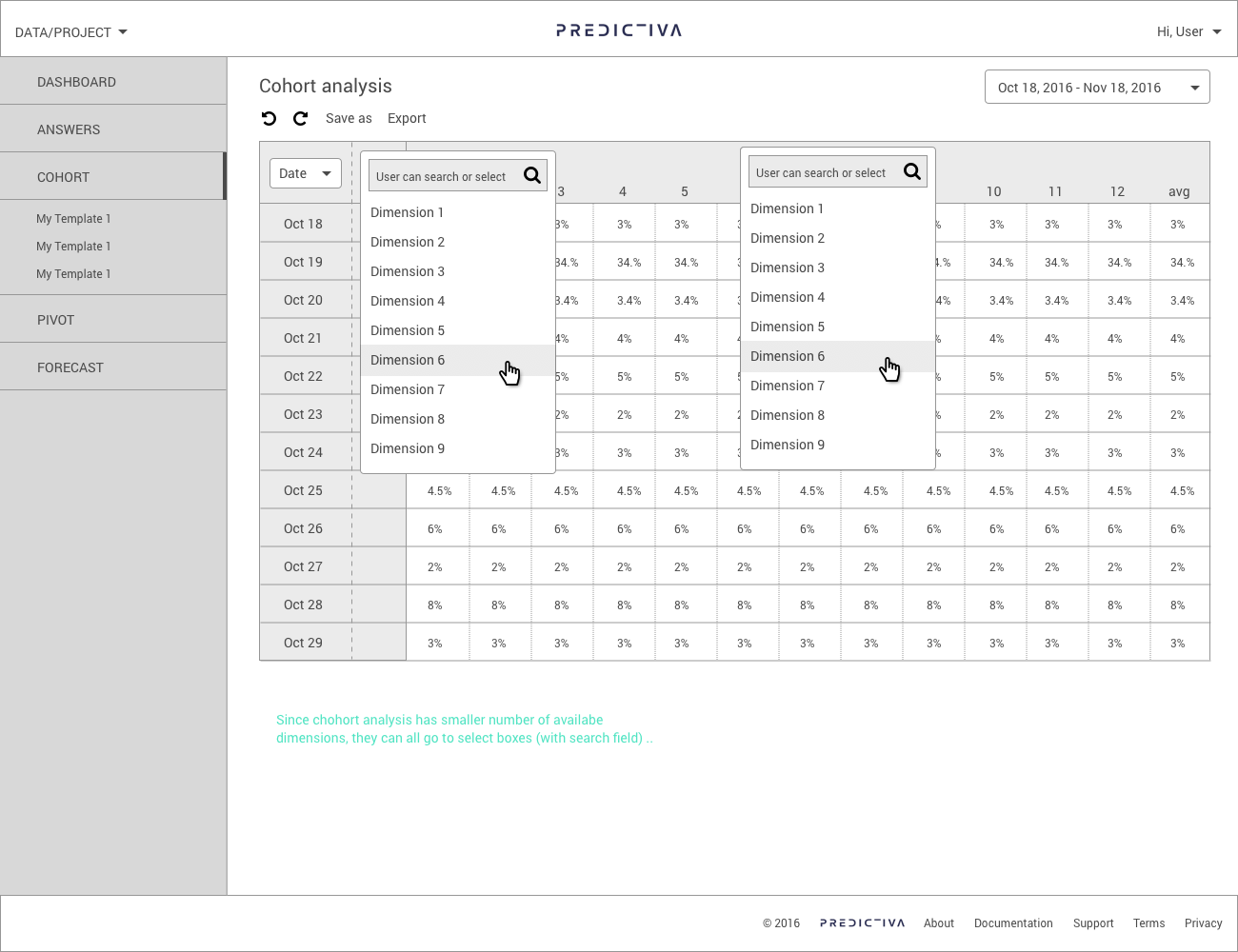

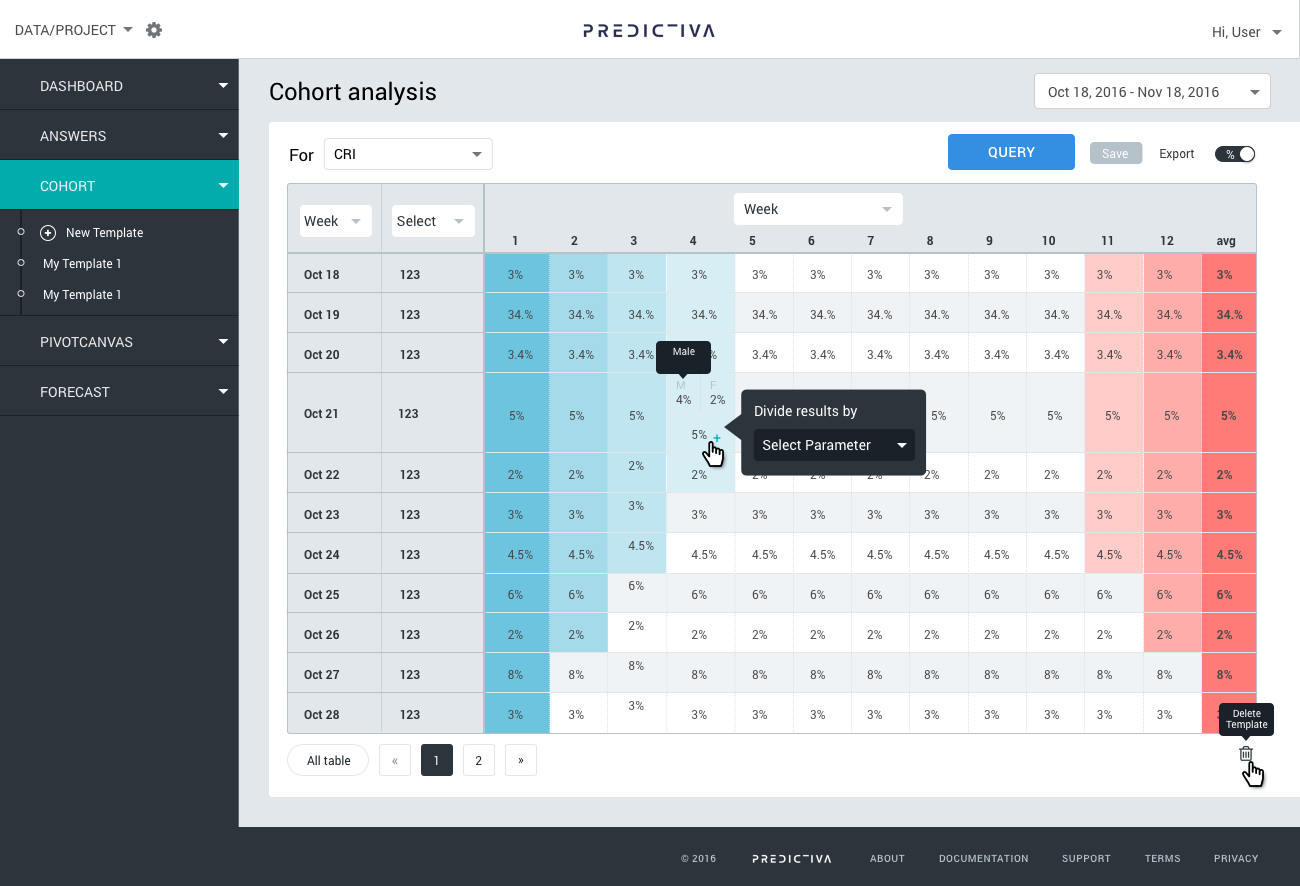
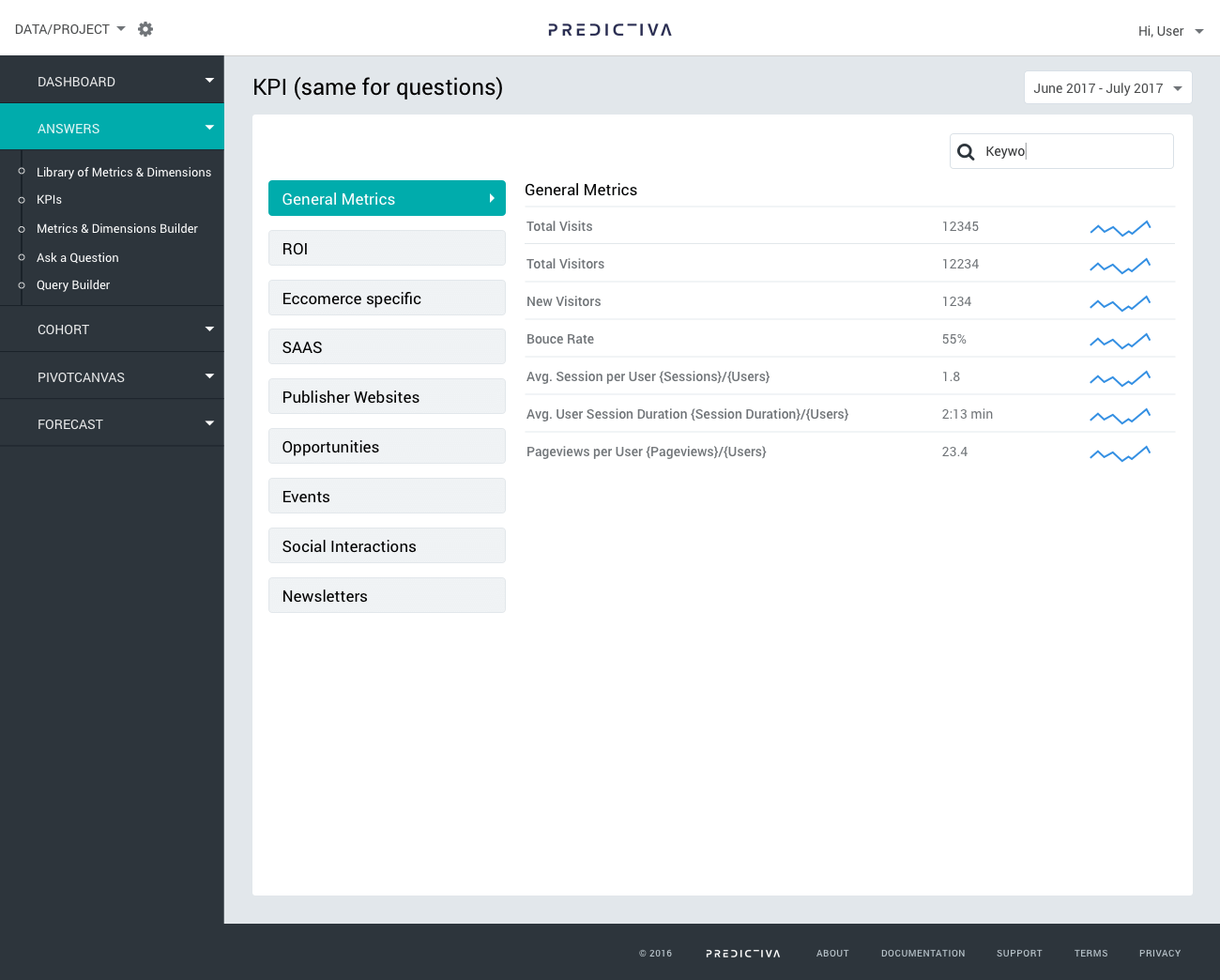
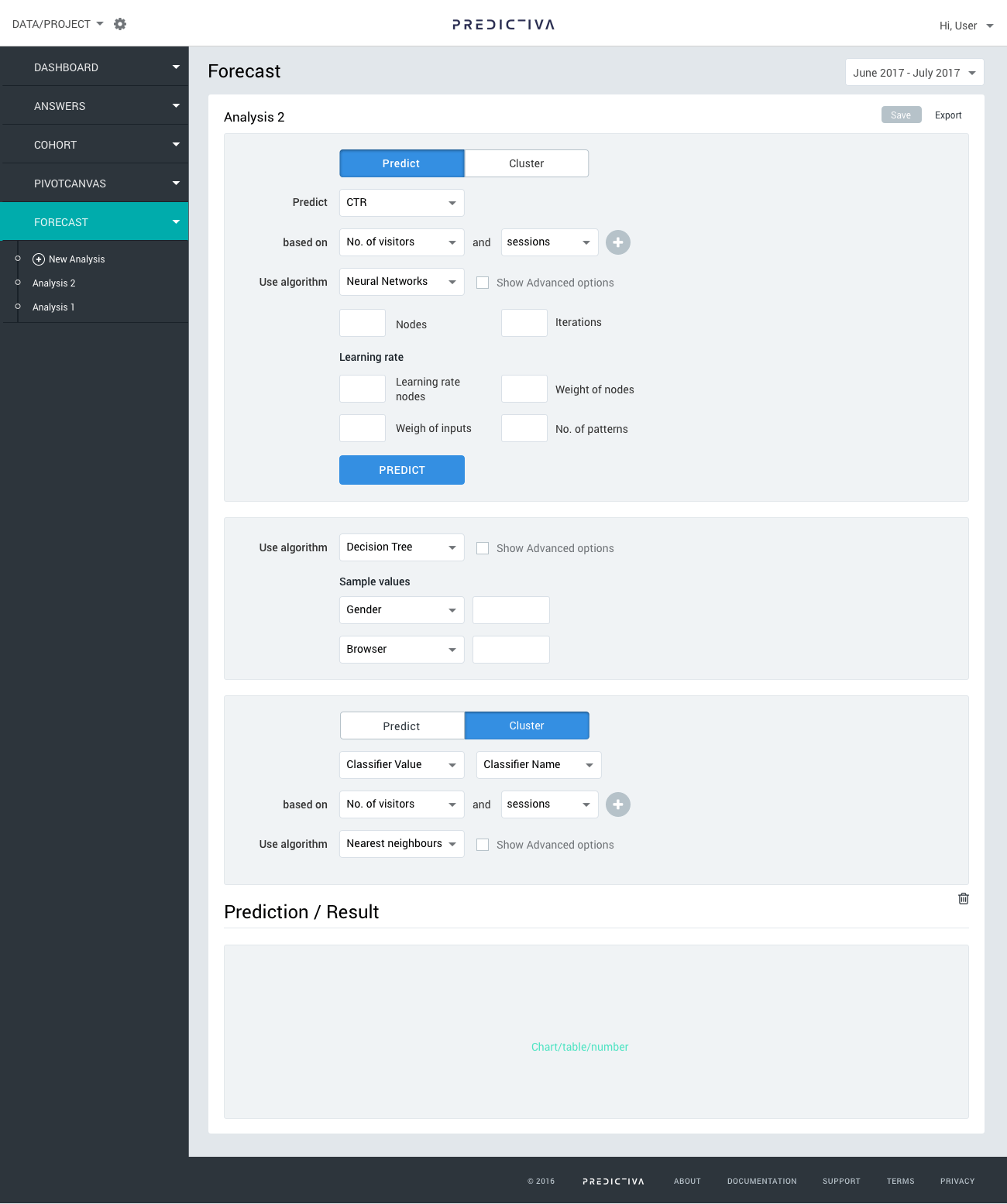
Users could input parameters, choose algorithms, toggle advanced options, and generate predictive outputs. Despite the complexity behind the scenes, the UX aimed for clarity, discoverability, and smooth interaction within a data-heavy environment.
Outcome
The MVP offered something uniquely forward-looking in the market at the time: a way for teams to predict user behavior instead of just analyzing the past.

This project demonstrated that even highly technical predictive tools can be turned into approachable, structured user experiences when the UX is given space to shape the foundation.


predictiva.io